
Committed Through Education
Educate the general public about SCD.
Committed Through Advocacy
Provide financial and advocacy supportive services to persons diagnosed with SCD.
Committed Through Support
Provide treatment support to enhance the quality of life for those suffering from SCD.
OUR MISSION
Sickle Cell Association of South Louisiana (SCASL) is a nonprofit organization that serves individuals living with sickle cell disease in the southern region of Louisiana. SCASL is committed to providing support and resources to those living with sickle cell disease as well as their caregivers through innovative and creative programs.
Kneaux Sickle Cell 🡪 LEARN MORE about the program and how to participate.
Care Coordination
- Insurance Navigation
- Emergency Health Care Assistance Program
- Lifestyle/lessons


Support Groups/Workshops
SCASL hosts monthly support group meetings for sickle cell clients, caregivers, and parents. The support groups provide education and a space for clients to connect with other clients. All support group meetings are held at the SCASL office.
SCASL workshops provide education to the public about sickle cell disease, and how you can help support our Sickle Cell Warriors.
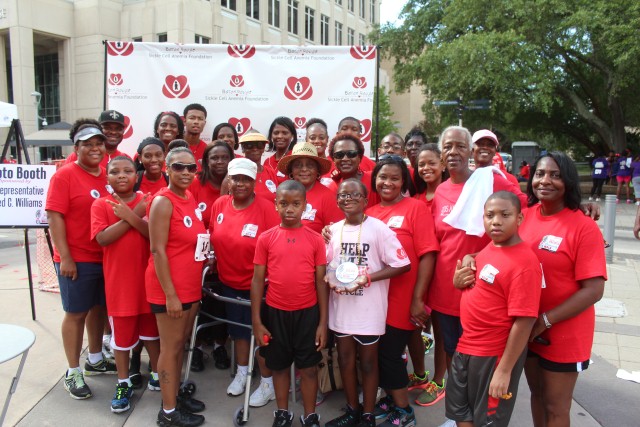
Ryan’s Run/Walk
Through Ryan’s Run, Sickle Cell Association of South Louisiana (SCASL) looks to promote education and awareness for those living with Sickle Cell Disease (SCD). Sickle Cell is a painful genetic blood disorder impacting more than 100,000 people in the United States. With 2.5 million carrying the trait, it is the most commonly inherited blood disorder in the country. Newborns can be tested at birth, but others can be tested through a blood test. Last year marked 45 YEARS of the Association’s service for several parishes in the state of Louisiana.
Upcoming Events
A Special Thanks to Our Partners






Privacy Policy | Terms of Use | Sitemap
© 2008-2021 The Sickle Cell Association of South Louisiana is a not-for-profit organization recognized as tax-exempt under Internal Revenue Code section 501(c)(3). Our mission is to bring hope to families in south Louisiana affected by this devastating disease.
Volunteers Needed
- Clerical Assistance, Tutoring, Mentoring, Special Event, etc WORKPLACE GIVING
- Provide an opportunity for employee giving through payroll deductions.
Sponsor An Event
Consider sponsoring an event at your church, school, or business to raise funds for sickle cell disease.